A Coastal Home from October to March: Off-Season Without Damage
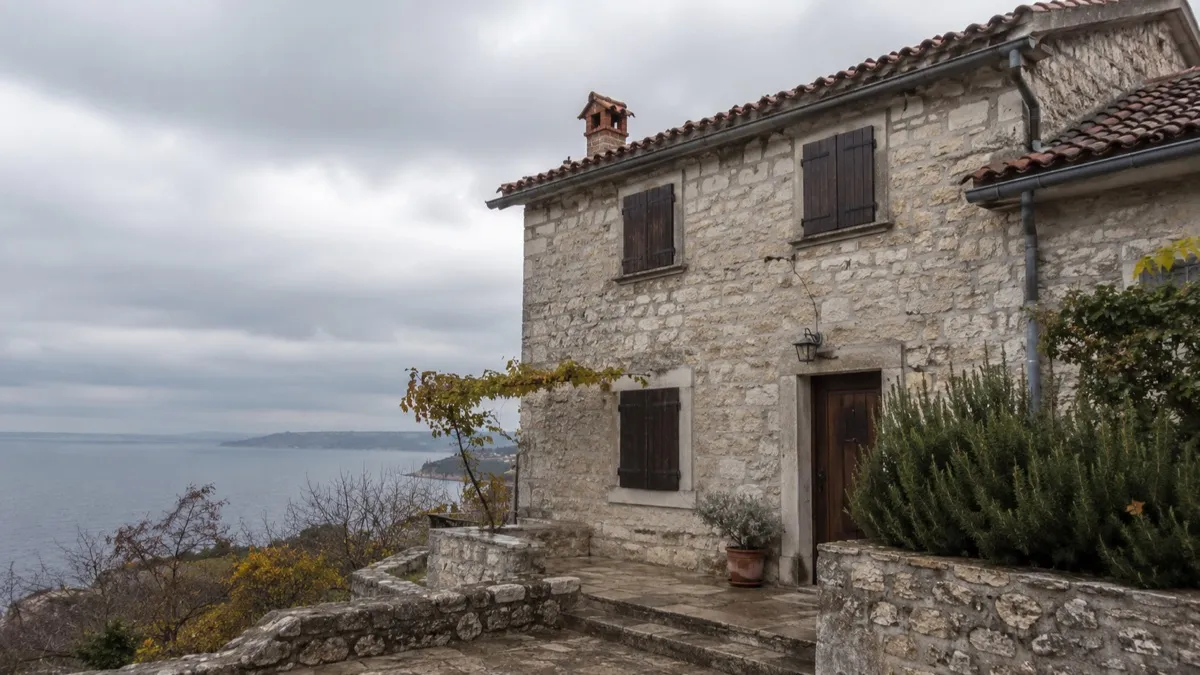
How to prepare a home on the Slovenian Coast for the off-season and get it through unharmed: the risks of the bora wind, salt air and damp from October to March.
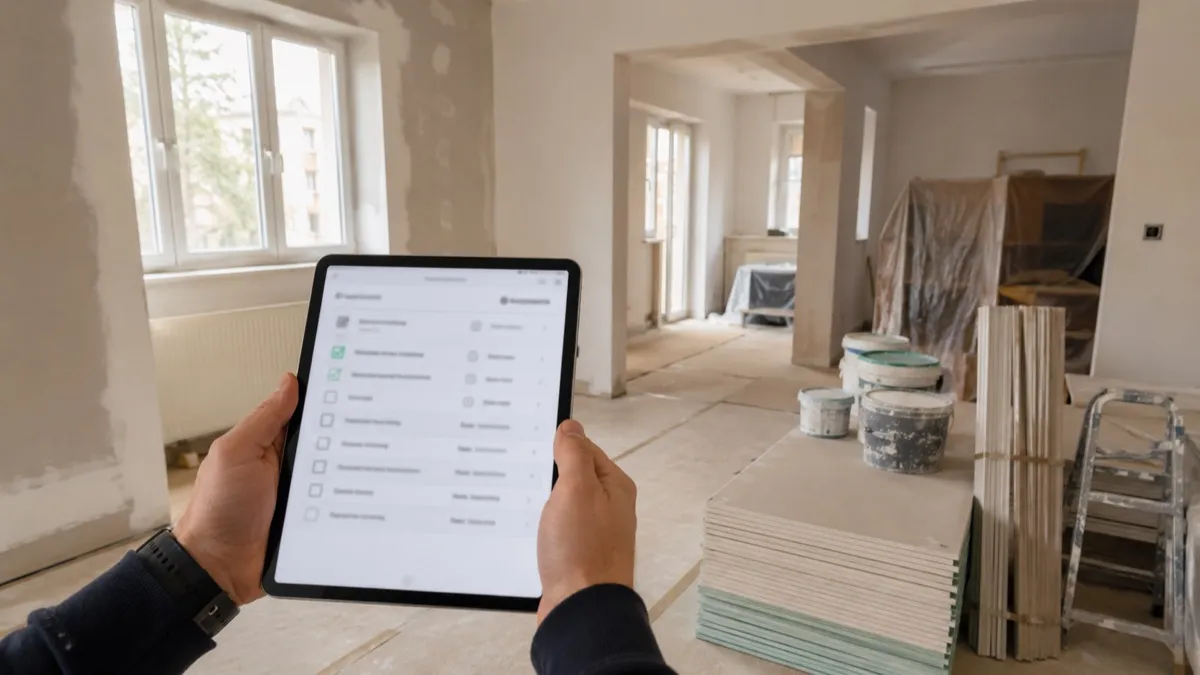
Renovating an apartment while you live in another country is a task that worries almost every owner. And rightly so: a renovation is hard to control even when you’re standing right there, and at a distance you lose the last practical ways to stay in control. But a remote renovation is realistic — if you build control into a system, rather than relying on the contractor’s honesty and your own intuition.
This article is a practical walk-through: what to lock in before the start, how to build a rhythm of oversight, which milestones you cannot skip, and the mistakes a remote client makes most often.
It draws on hands-on experience working with contractors in Slovenia and on the years of work the DomCare team has spent overseeing renovations on behalf of owners who live abroad.
The core problem of a remote renovation is the information gap. You only see the renovation through the eyes of the person doing it. You have no independent source of information: the contractor says “all going to plan” — and you have no way to verify it.
Every typical disaster grows from that gap: the work goes differently from how you understood it during sign-off; “extra” work and materials appear, and you can’t check whether they’re justified; quality on the hidden stages turns out lower than what you paid for; the schedule slips with no input from you. By the time you finally arrive, fixing anything is already expensive and conflict-ridden.
The conclusion: a remote renovation needs an independent set of eyes on site and a systematic rhythm of oversight. Not “trust” — a process.
Before the contractor begins, lay the foundation for control.
Record the starting condition. Detailed photographs of every room before the work starts. This is both your baseline and your protection if a dispute arises over what was damaged in the process.
Put the agreements in writing. Scope of work, materials, timeline, stages, cost, payment order — everything agreed should be in writing, not “on a handshake”. A written record is your main point of leverage.
Agree the payment order by stage. Don’t pay everything up front. Tying payment to completed and accepted stages is the strongest lever you have.
Decide who will be your eyes. Decide in advance who will provide independent oversight on site: a trusted person or a contractor support service. Without this, all the oversight that follows hangs in the air.
Good oversight starts with the choice. What a remote client should look for: willingness to work to a written contract with clear stages; willingness to accept staged payment (a contractor who demands everything up front is a warning sign); transparency in the estimate; genuine reviews and examples of work; sound communication — if answers are vague before the work even starts, it will only get worse during it.
You can find a contractor yourself, or with the help of an estate agent and local contacts. Contractor support works with whichever contractor you choose.
Overseeing a remote renovation is not “asking how things are going now and then”. It’s a rhythm.
Regular visits to the site. Someone on site goes back periodically and records the actual progress with photographs — regardless of what the contractor says. Frequency depends on the pace of the work.
Photo reports tied to stages. You need to see not “pretty final shots” but real progress: what’s been done, how the intermediate stages look.
Checks of the hidden work — before it’s covered. This is critical. Electrics before the plaster, waterproofing before the tiles, pipe routing before the walls are closed up — anything that won’t be visible later must be checked and photographed while it’s still open. Redoing hidden work after the finishing is catastrophically expensive.
Quick decisions. When a question comes up that needs your call, you get it with photographs and a clear description — and you decide with full knowledge, not blind. Your decision is passed to the contractor.
Rhythm matters more than intensity: regular, clear snapshots beat one big inspection at the end, when it’s too late to change anything.
Break the renovation into stages and accept each one before paying for it and moving on to the next. Typical milestones: demolition complete; rough work (electrics, plumbing, levelling) — before it’s covered; the finishing stage; final handover.
At each point: record the condition, compare against the agreements, log any defects to be fixed, and only then — pay for the stage. Staged sign-off turns one big, uncheckable renovation into a series of checkable segments.
At the end comes the final sign-off on your behalf: checking the result against the agreements, logging every defect to be fixed, verifying that all systems work, recording the final condition with photographs. Final payment comes only after the defects are fixed.
After sign-off comes post-renovation cleaning and preparing the property for occupancy or letting.
Paying everything up front. Strips you of your only real lever. Always staged.
Agreements “on a handshake”. Without a written record, you’ll lose a dispute over “what was agreed”.
Checking only at the end. Once the finishing has covered the hidden work, it’s too late to check. Control has to run as the work goes.
Trust instead of process. A contractor may be honest — but even an honest contractor’s priorities drift without oversight. A process protects both sides.
No independent set of eyes. If your only source of information is the contractor, you have no control. You need someone on your side.
Blind decisions. Making decisions off a description like “we need to buy more materials” without photographs or understanding is a path to overpaying.
DomCare provides exactly that independent set of eyes on site. Contractor support means recording the starting condition, regular visits with photo reports, checks of the hidden work before it’s covered, passing your decisions to the contractor, and staged and final sign-off on your behalf. We work with whichever contractor you choose and we don’t replace them — we’re your eyes and voice on site. The role of contractor support is covered in detail in a separate article. After the renovation comes cleaning and, if needed, property care. We work in Ljubljana, on the coast, in the Bled and Bohinj region and in the Kranj region.
The easiest way to talk it through: write to us through the form or on WhatsApp.
Can you really run a renovation remotely? Yes, but only with systematic oversight: an independent set of eyes on site, written agreements, staged payments, regular photo reports, checks of the hidden work. “Trust” without a process is not control.
Why shouldn’t you pay the contractor everything up front? Staged payment is your main point of leverage. Paying up front removes any way to push for quality and to keep the schedule. A contractor who demands everything up front is a warning sign.
What is the most important thing to check in a remote renovation? The hidden work — electrics, plumbing, waterproofing — before it gets covered by finishes. Redoing hidden work after the finishing is catastrophically expensive.
Who finds the contractor — me or the contractor support service? You can choose the contractor yourself or with the help of local contacts. Contractor support works with whichever contractor you choose — it provides oversight, not the selection.
What should I do if the contractor reports “extra work”? Don’t agree blind. Ask for photographs and a clear description, and if needed an independent check on site of whether it’s justified. Make the decision with full knowledge.
A remote renovation is realistic — but it rests on a process, not on trust. Record the starting condition and the agreements, pay in stages, secure an independent set of eyes on site, check the hidden work as you go. Then you’ll arrive to a finished result, not to a collection of expensive surprises.
Planning a renovation in Slovenia while you’re abroad — write to us, and we’ll talk through the oversight for your project.
How to prepare a home on the Slovenian Coast for the off-season and get it through unharmed: the risks of the bora wind, salt air and damp from October to March.
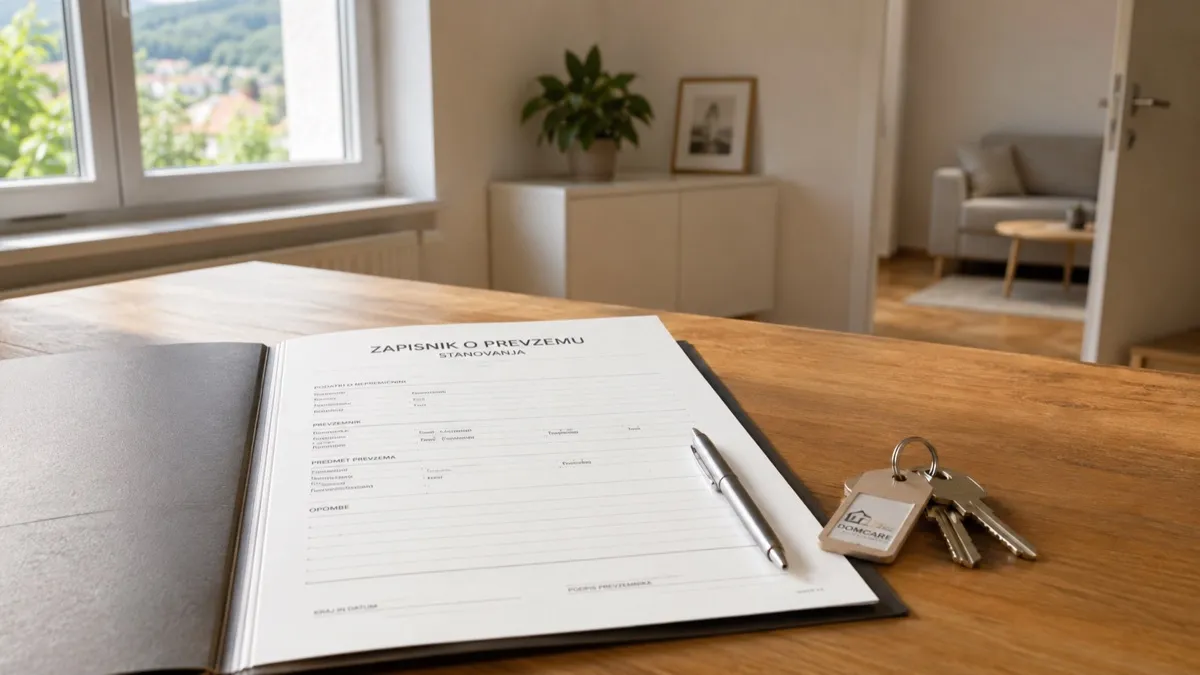
How an owner living abroad can organise the handover and return of an apartment in a long-term let in Slovenia: tenant move-in, oversight and move-out.
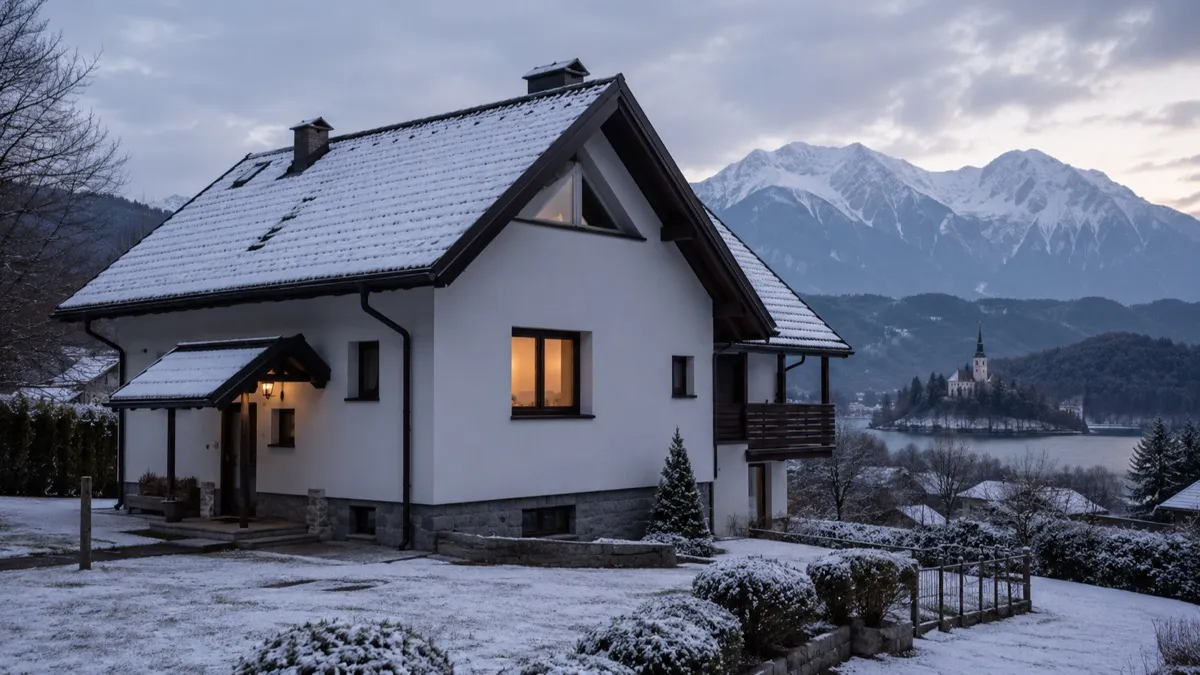
Which winter risks threaten an Alpine home in the Bled and Bohinj area, what should be happening to it while you're away, and how to arrange winter property care.
Tell us about your situation — we'll agree on the format and a fixed price. The first assessment visit is free.