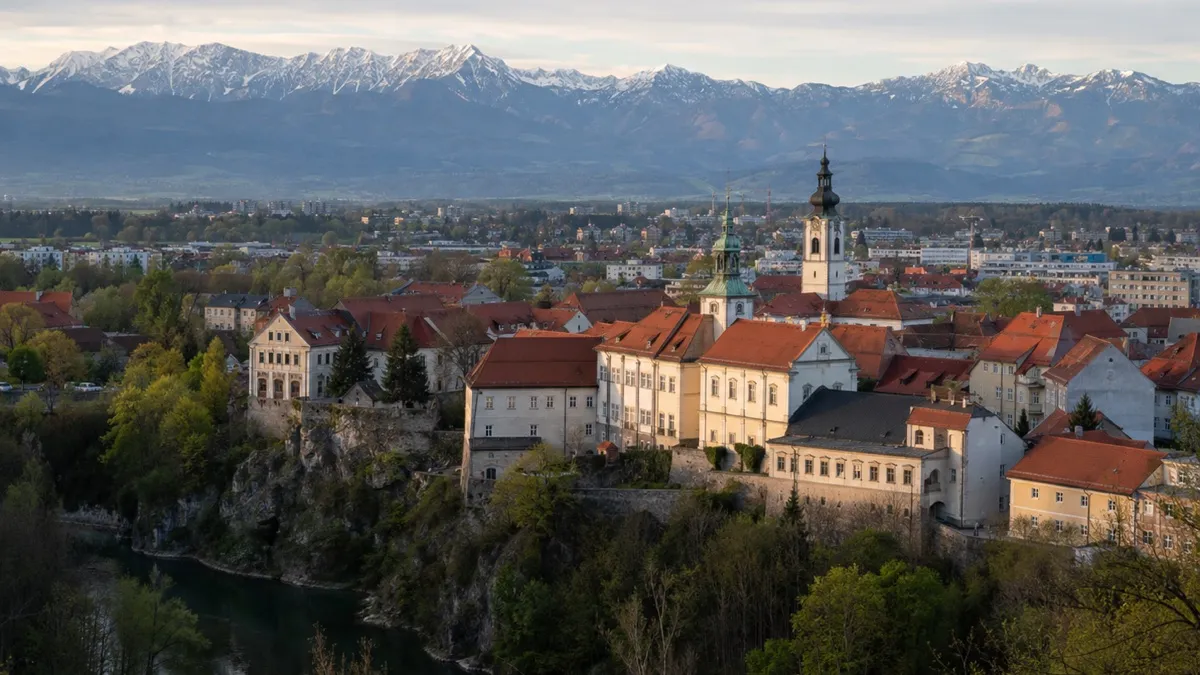
DomCare's 4 Service Areas — and Why We Chose Them
Why DomCare works in four areas of Slovenia — Ljubljana, the Coast, Bled and Bohinj, and Kranj — and why limiting our geography works in the client's favour.
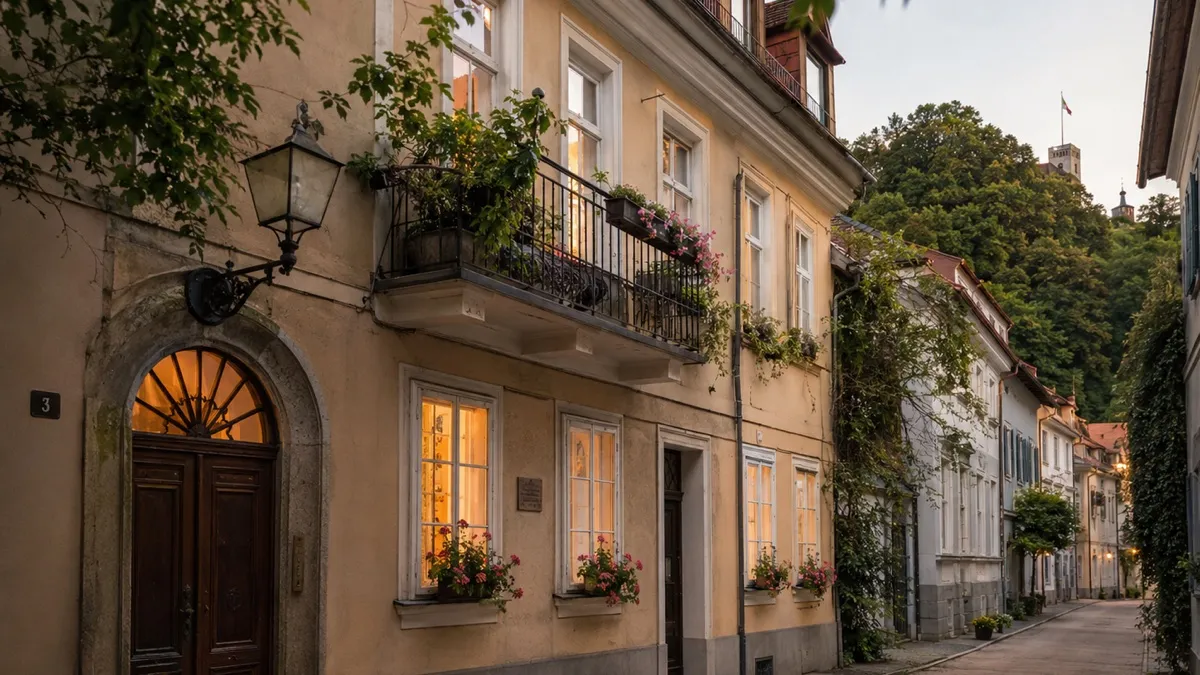
Ljubljana is the most common choice for people buying property in Slovenia: a capital that is convenient, compact, and has steady demand for housing. But owning an apartment in Ljubljana — especially remotely — has its own specifics, and understanding them helps you look after the property with more peace of mind.
This article is an overview of Ljubljana through the eyes of a remote apartment owner: what makes it convenient, what its neighbourhoods are like, what affects the upkeep of a property, and how its seasonality works.
It draws on Slovenian practice and on the DomCare team’s many years of experience maintaining apartments in Ljubljana.
From a property-upkeep standpoint, Ljubljana is the calmest option in Slovenia. There is no harsh Alpine winter with heavy snow, as in Bled, and none of the aggressive salt-and-wind environment of the coast. The climate is moderate continental: a frosty but not extreme winter, a warm summer.
Most properties in Ljubljana are apartments in multi-unit buildings rather than houses with land. That makes upkeep simpler: no garden, no roof in your own zone of responsibility, and the common parts of the building are the building manager’s (upravnik) concern. The operational burden on an apartment owner in Ljubljana is usually the lowest of any Slovenian region.
This does not mean a Ljubljana apartment needs no care — an empty apartment accumulates risk anywhere. But the set of risks here is more modest: mostly leaks, a faulty boiler, damp, and access issues.
Ljubljana is compact, and its neighbourhoods differ less in “quality” than in character:
The centre (Center, Staro mesto). The historic core, old housing stock, the tourist zone. Apartments here are in demand for short-term rentals. Old buildings mean both atmosphere and upkeep specifics: the age of the engineering systems, the particulars of heritage-listed buildings.
Districts adjacent to the centre (Tabor, Poljane, Trnovo, Vič and others) — a mix of old and new stock, residential, convenient, popular both for living and for renting.
Residential districts (Bežigrad, Šiška, Moste and others) — more standardised housing from various eras, including newer buildings with modern systems.
The outskirts and suburbs — houses and newer developments, closer to nature.
For property upkeep, what matters is not the prestige of the neighbourhood but the age and condition of the building: old stock in the centre and a new house on the outskirts are maintained in different ways.
The age of the building. Old stock in the centre often means old pipes, old wiring, and quirks that a new build does not have. Properties in older buildings need more attentive monitoring of their engineering systems.
Condominium ownership (etažna lastnina). Almost any apartment in Ljubljana is part of a multi-unit building with a building manager. How responsibilities are split between the upravnik and the owner is covered in a separate article.
Heating. Both individual and central/district heating are common in Ljubljana. The type of heating affects exactly what needs monitoring in winter.
Short-term rentals. In central Ljubljana, apartments are actively let to tourists — rental demand here is the steadiest in Slovenia. But for that very reason it is worth checking in advance whether a particular building has restrictions on nightly rentals.
Parking. A detail for a remote owner, but an important one: parking is limited in the centre, and this affects both life in the apartment and its appeal to renters.
From experience, the difficulty of looking after a Ljubljana apartment is affected by:
The good news: even with these factors, a Ljubljana apartment is a relatively simple property. Basic Property Care with a monthly visit is enough for most empty apartments in Ljubljana.
Unlike the coast or Bled, Ljubljana has no sharply pronounced low season. Tourism runs all year — urban, cultural, business. That makes Ljubljana convenient for short-term rentals: dips in occupancy are shallower than at seasonal destinations.
For the upkeep of the property itself, the main seasonal factor is winter: heating, the risk of freezing if something fails, and damp. A detailed seasonal plan is in our winter home prep calendar. Summers in Ljubljana can be hot — ventilation and air conditioning become relevant.
A Ljubljana apartment is a good choice if you are: an investor who values steady rental demand; a future resident planning to live in the capital; an owner who wants a property with minimal operational burden; or someone for whom convenient logistics matter — Ljubljana is well connected to the airport and the rest of the country.
For a remote owner, Ljubljana is probably the most convenient “entry point” into Slovenian property: a straightforward property, a calm climate, and a well-developed services infrastructure.
Ljubljana is one of our four service areas, and apartments here are the most common type of property in our practice. Property Care for a Ljubljana apartment means regular visits, inspection of the engineering systems (especially important for old stock), a response when problems arise, and seasonal preparation. Key Holding — access for contractors and guests. Cleaning — regular, deep, or rental-ready. The first inspection of the property is free.
The easiest way to discuss it: message us through the form or on WhatsApp.
Is it hard to look after an apartment in Ljubljana remotely? Relatively easy — Ljubljana is the calmest region of Slovenia for upkeep: a moderate climate, and mostly apartments with no gardens and no roof of your own. Basic Property Care with a monthly visit is enough for most empty apartments.
What affects the upkeep of a Ljubljana apartment most? The age and condition of the building. The old housing stock in the centre needs more attention to pipes, wiring and windows than a modern new build on the outskirts.
Can I let an apartment in central Ljubljana to tourists? Demand for short-term rentals in the centre is high and steady all year round. But a particular building may have restrictions on nightly rentals — this needs to be checked in advance.
Does Ljubljana have a low season for rentals? Not a pronounced one. Tourism in Ljubljana runs all year — urban, cultural, business — so dips in occupancy are shallower than on the coast or in Bled.
Which neighbourhood of Ljubljana should I choose to own in? For property upkeep, what matters is not the prestige of the neighbourhood but the age and condition of the building. The centre means atmosphere and rental demand, but old stock; residential districts and the outskirts have more new buildings with modern systems.
Ljubljana is the most convenient region of Slovenia for a remote owner: a calm climate, properties with a low operational burden, a well-developed infrastructure, and year-round demand. The main thing to look at is the age and condition of the specific building. And basic Property Care makes owning a Ljubljana apartment genuinely peaceful.
Have an apartment in Ljubljana — message us and we’ll explain how to set up its care.
Why DomCare works in four areas of Slovenia — Ljubljana, the Coast, Bled and Bohinj, and Kranj — and why limiting our geography works in the client's favour.
An overview of Kranj and the Gorenjska region for a property owner: how the region differs from Ljubljana and Bled, and the specifics of owning and maintaining a property here.
An overview of Slovenia's Alpine region for property owners: how Bled and Bohinj differ, what is specific to a mountain home, the climate and the double seasonality.
Tell us about your situation — we'll agree on the format and a fixed price. The first assessment visit is free.