A Coastal Home from October to March: Off-Season Without Damage
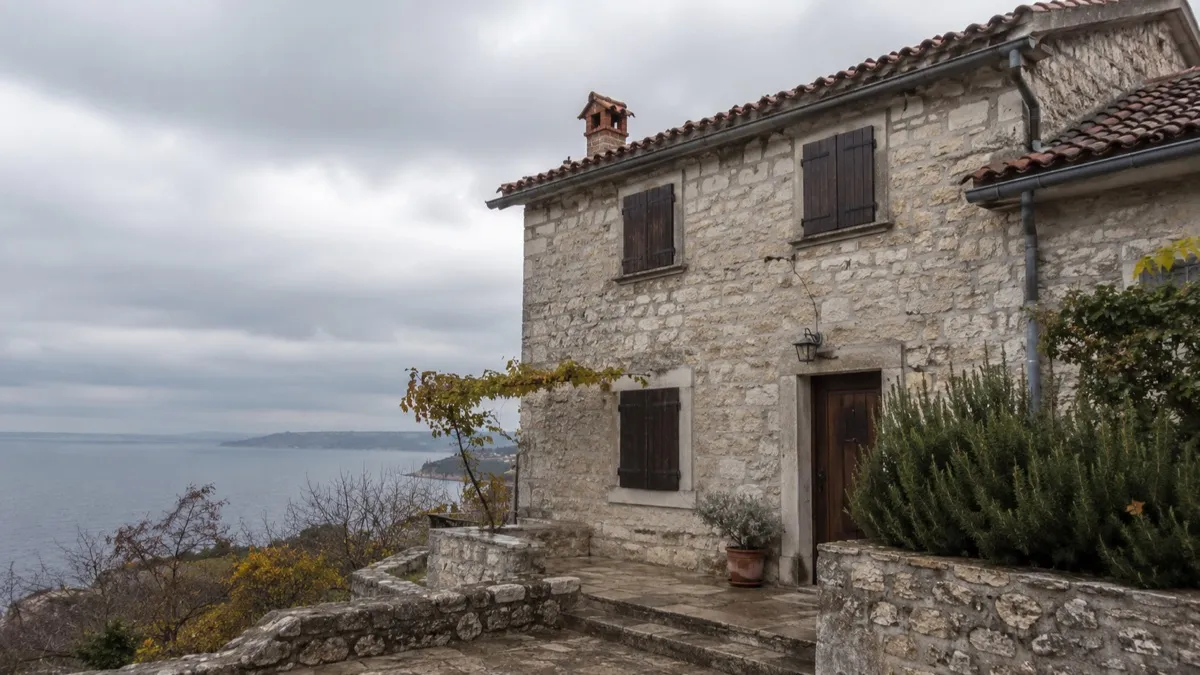
How to prepare a home on the Slovenian Coast for the off-season and get it through unharmed: the risks of the bora wind, salt air and damp from October to March.
Late evening. Your guest has reached the apartment in Ljubljana after a long journey — and can’t get in. The code didn’t work, the key isn’t where it should be, the lock jammed, the address got mixed up. The guest messages you — and you’re on a plane, or asleep in another time zone, or simply not looking at your phone. The guest is standing outside with their suitcases, their patience draining away by the minute, and your property’s rating draining with it.
This article is about why this happens, what it actually costs the owner, what to do if it has already happened, and how to set up access so check-in never falls apart.
It draws on short-term rental practice and years of experience from the DomCare team providing operational support for rental properties in Slovenia.
A check-in problem is one of the most common issues in short-term rentals, and there are many causes:
One thing unites all these causes: they arise at the moment of arrival — that is, when something needs fixing immediately and the owner isn’t nearby.
A failed check-in isn’t just an inconvenience. It’s a set of concrete losses.
A bad review is almost guaranteed. The first impression is ruined at the most sensitive moment. Even if everything afterwards is flawless, the review “couldn’t get into the apartment for an hour, the host didn’t answer” stays — and future guests will read it.
A refund is possible. If the guest couldn’t check in or waited too long, the platform may side with them.
A drop in rating hits future bookings. One bad review lowers the property’s position in search results — and with it, income for months to come.
Stress and reputation. A guest who started their trip with a scene at the door will stay unhappy until the end.
In other words, a few minutes of a locked door can cost more than months of operational support.
If a guest can’t get in right now and you’re unreachable or far away:
There has to be someone on the ground. The only real solution in the moment is a person in Slovenia who can come and open the door. If you have a support service or a trusted person with keys, the guest contacts them directly.
A spare set of keys has to exist. Even if the main access method is a code, a physical spare key in a secure place saves the day when the electronics fail.
The guest needs a working contact. Not just your number (you may be unreachable), but a local contact who will answer and come over.
If none of this exists, the situation is barely manageable: you’re trying to direct a crisis you can’t see, from a plane. That’s exactly why the access problem is solved not in the moment but in advance.
Set up a spare set of keys in a secure place. Whatever the main access method is, a physical spare key should be with someone on the ground. This is what Key Holding solves.
Provide a local contact for guests. The guest should have a number that will be answered and, if needed, someone who will come over — regardless of where you are or whether you’re asleep. This is part of short-term Rental Support.
Make the check-in instructions as simple as possible. With photos, in the right languages, with the exact address, entrance and floor. Test it on someone who doesn’t know the property.
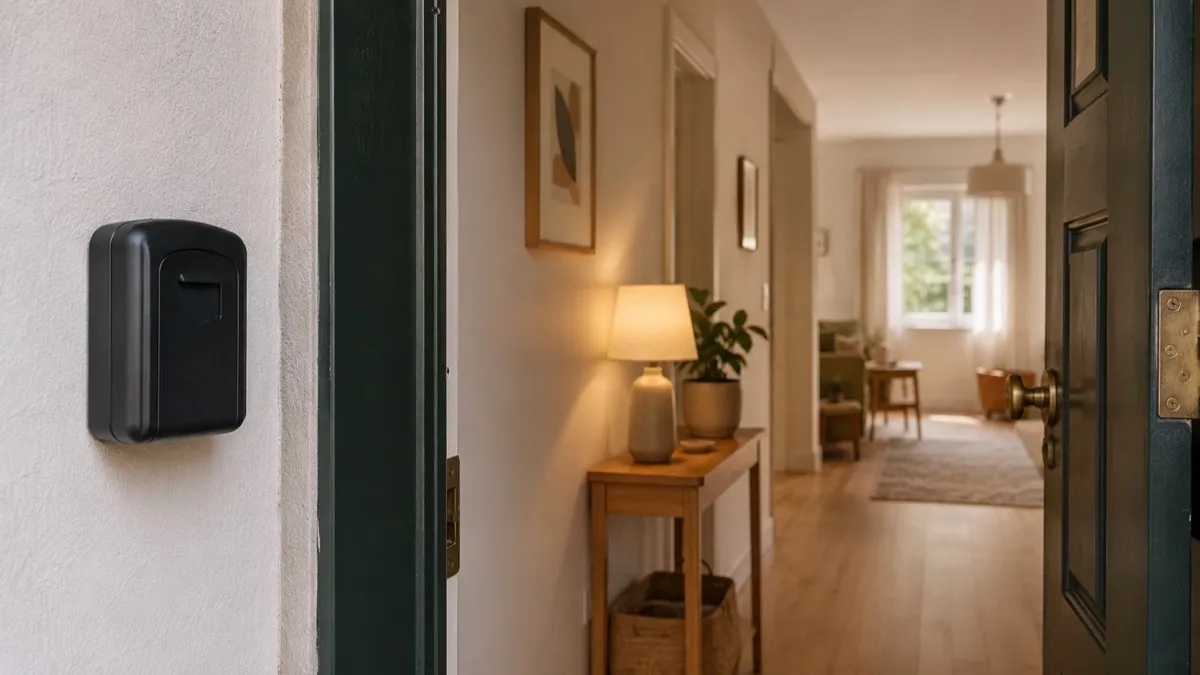
Maintain the keypad locks and lockboxes. Change the batteries in advance, check the mechanics. Electronics fail precisely when they shouldn’t.
Plan for late arrivals. Flights get delayed. If your access method only works “from 3 to 6 p.m.”, it will break on the very first night arrival.
Confirm the details before arrival. A short message to the guest the day before, with the address and instructions, removes half the problems.
DomCare closes exactly the gap that makes check-in fall apart. Key Holding — a spare set is always in a secure place in Slovenia. Short-term Rental Support — a local contact for your guests and a person who will actually come and open the door if the code let them down or the key wasn’t found. You can be on a plane, asleep or simply living your life — the check-in still happens. We work in Ljubljana, on the coast, in the Bled and Bohinj area and in the Kranj area.
The easiest way to talk it through: write to us via the form or on WhatsApp.
Why do guests so often fail to get into the apartment? There are many causes: the keypad lock ran out of battery, the guest couldn’t find the key or got the code wrong, the lock jammed, they mixed up the address, they arrived at night instead of the evening, or they couldn’t understand the instructions because of language. All of them arise at the moment of arrival, when the owner isn’t nearby.
What do I do if a guest can’t get in right now and I’m unreachable? The only real solution in the moment is a person on the ground with keys who can come and open the door. If there’s no such person, the situation is barely manageable. That’s why access is set up in advance.
Is a keypad lock enough for check-in? A keypad lock is convenient, but electronics fail. You need a physical spare key in a secure place and a local contact who can come over if the code didn’t work.
What does a failed check-in cost? An almost guaranteed bad review, a possible refund, a drop in your rating and in future bookings. All told, this often costs more than months of operational support.
Can you run a short-term rental remotely without a local helper? Check-in, access and responding to problems — no. These are physical tasks that can’t be done from another country. You need either a local helper or a support service.
A guest at a locked door while you’re on a plane isn’t a rare accident but a predictable failure that sooner or later happens to everyone who rents out an apartment remotely without local support. The good news: it’s entirely preventable. A spare key on the ground plus a contact who will answer and come over — and check-in stops depending on where you are or whether you’re asleep.
If you want to build reliable access for your guests, write to us.
How to prepare a home on the Slovenian Coast for the off-season and get it through unharmed: the risks of the bora wind, salt air and damp from October to March.
How an owner abroad can keep control of an apartment renovation in Slovenia: what to lock in before the start, the rhythm of oversight, milestone sign-offs and the typical mistakes.
How an owner living abroad can organise the handover and return of an apartment in a long-term let in Slovenia: tenant move-in, oversight and move-out.
Tell us about your situation — we'll agree on the format and a fixed price. The first assessment visit is free.