When to clean your mattress: signs, timing, dust mites
How to tell your mattress needs cleaning, why dust mites live in the mattress, what timing to treat as normal, and what actually helps with allergies.
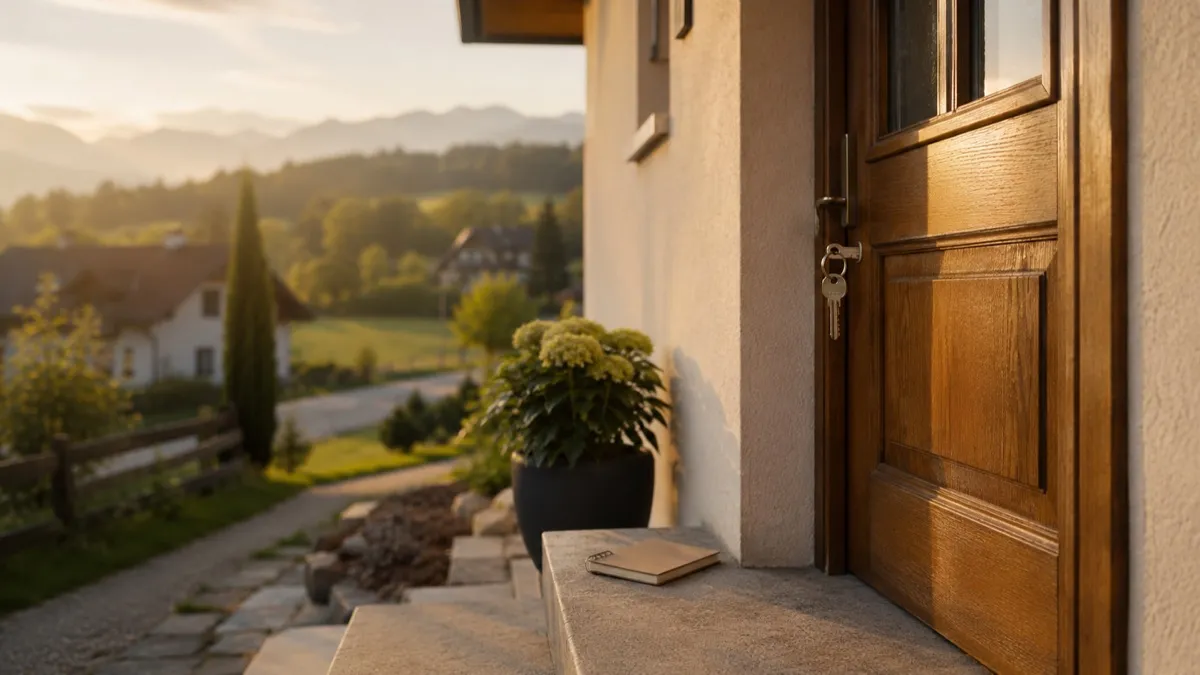
Buying property in Slovenia is not a single event (“the transaction”) but a path of several stages, and each calls for its own decisions and its own specialists. This article is a map of the whole path: from choosing a property to the moment the property becomes a peaceful asset rather than a source of worries.
One thing up front: this is a practical guide, not a legal one. The legal side of a purchase — checking the property, completing the transaction, taxes, residency questions — is the work of a notary (notar), a lawyer (advokat) and an accountant (računovodja). We deliberately give no legal or tax advice here: these subjects depend on a great many individual factors and need a professional. Our area is the practical, operational side of the path.
It draws on Slovenian practice and on the DomCare team’s many years of experience giving practical support to property buyers in Slovenia.
A purchase is conveniently pictured as five sequential stages:
Most material about buying property covers stage 3 (the transaction) in detail and overlooks stages 4 and 5. And yet it is after the transaction that real life with the property begins — and it is here that difficulties most often arise for the buyer, especially a remote one.
The first stage is to decide what you are buying and where.
The region. Slovenia is small but varied. Ljubljana is the calm urban option with year-round demand. The coast means the sea and seasonality. Bled and Bohinj mean Alpine beauty and a demanding winter. Kranj and Gorenjska are a practical region “to live in”. Each region has its own specifics of both ownership and upkeep — we covered them in separate overviews: Ljubljana, the coast, Bled and Bohinj, Kranj.
The type of property. An apartment or a house with land — these are different amounts of upkeep. A city apartment is a minimal operational burden; a house with a garden, especially in an Alpine or coastal region, needs more attention.
The purpose. What the property is for: your own life, an investment, letting it out, a “stake in the future”. The purpose affects both the choice of region and the type of property.
At this stage the main helper is the estate agent (posrednik): they run the search, the viewings, the price negotiations.
Once a property is chosen, it needs to be checked — from two sides.
The legal check. The cleanliness of the ownership rights, the documents, encumbrances, the status of the property — that is the work of a notary and a lawyer. Do not try to run it yourself: a mistake in the legal part costs more than any consultation.
The physical check. The real condition of the property — what cannot be seen from the listing and the photos. A pre-purchase inspection on site shows the condition of the walls and systems, signs of damp, and the real surroundings. For a remote buyer this is critical: a listing shows the property as the seller wants it shown, and an independent inspection shows it as it actually is.
These two checks complement each other. The legal one protects against problems with the documents, the physical one against buying a property with expensive hidden flaws.
The stage of completing the purchase in Slovenia is a formalised process involving a notary. We are deliberately brief here: this is the lawyers’ area, and describing the procedures would mean giving advice in a field where every case is individual.
What a buyer should understand at the level of principle: the transaction is run by professionals (the estate agent, the notary, and a lawyer where needed), and economising on them is a bad idea. A remote transaction is possible, and some actions are handled by power of attorney — check the specifics with a notary and a lawyer.
The transaction is closed, the keys are yours — but the property is not yet ready for life. This stage is particularly underrated, and it is especially important with a remote purchase.
After the transaction, the property usually needs an inspection and assessment of its actual condition; changing the locks (you don’t know who still has copies of the keys); a cleaning — often a deep one, after the previous owners; fixing minor faults — small repairs; sometimes clearing, if other people’s things are left behind; and where needed repairs under Contractor Support.
Preparing for the first visit to a property you have bought is covered in detail in a separate article. The aim of the stage is for you to meet your property in a ready, clean, working condition, not as a list of problems.
After preparation the buyer becomes an owner — and the property moves into normal ownership and upkeep. What happens next depends on your purpose:
This stage is the longest: it lasts all the years you own the property. The overall picture of remote ownership is covered in our guide to owning property in Slovenia from abroad.
More and more buyers are acquiring property in Slovenia without travelling, or travelling only for a short time. A remote purchase is real, but it calls for attention to the stages that assume presence on site.
The key points of a remote purchase: an independent inspection of the property before the transaction (without it you are buying blind); presence where it is needed during the process; preparation and handover of the property after the transaction. Practical support for the buyer — Buyer Assistance — covers exactly these points: eyes on the ground while you are abroad. How this works on a real path is shown in Mihail’s story.
A map of specialists for the buyer:
The best result comes when each specialist works in their own area — not when the buyer tries to cover everything themselves, or, the other way round, expects one provider to do everything at once.
DomCare covers the practical side of the buyer’s path — the stages where eyes and presence on site are needed. Buyer Assistance — an independent inspection of the property before the transaction, presence during the process, handover and preparation afterwards. After the purchase the property naturally moves into Property Care. Related services — cleaning, small repairs, Key Holding — cover preparing the property for your life in it. We are not estate agents or lawyers — we work alongside them, in the practical area. We work in Ljubljana, on the coast, in the Bled and Bohinj region, and in the Kranj region.
The easiest way to discuss it: message us through the form or on WhatsApp.
What stages does buying property in Slovenia consist of? Five: choosing the region and the property, checks (legal and physical), the transaction, preparing the property after the transaction, and ownership. Most guides cover only the transaction in detail, while difficulties for the buyer more often arise after it.
Can I buy property in Slovenia without travelling there? Yes, and people do. But always with an independent on-site inspection of the property before the transaction. Without it the purchase turns into buying blind. Some actions are handled by power of attorney — check with a notary.
Who checks the legal status of the property? A notary and a lawyer. This is not an area where you should act on your own. An independent pre-purchase inspection complements the physical check of the property’s condition.
What should I do straight after the purchase? Prepare the property: an inspection, changing the locks, cleaning (often a deep one, after the previous owners), fixing minor faults, and if needed clearing and repairs. The aim is for you to meet the property in a ready condition.
What taxes are involved in buying property in Slovenia? Tax questions depend on a great many individual factors and need an accountant (računovodja). We deliberately give no tax advice — that is the work of a specialist.
What happens to the property once it has become mine? The property moves into the ownership mode and needs upkeep: regular Property Care if you visit periodically; operational support if you let it. This is the longest stage — it lasts all the years of ownership.
Buying property in Slovenia is a path of five stages, not a single transaction. Each stage calls for its own decisions and its own specialists — an estate agent, a notary, a lawyer, an accountant — and practical help where eyes and presence on site are needed. Understanding the whole path, not just the transaction, turns a purchase from a stressful gamble into a manageable process — at the end of which the property becomes a peaceful asset.
Planning to buy property in Slovenia — message us and we’ll explain how we can help at your stage of the path.
How to tell your mattress needs cleaning, why dust mites live in the mattress, what timing to treat as normal, and what actually helps with allergies.
Aeration, scarification, mulching, feeding, liming, overseeding — what these lawn jobs are in Slovenia, why they matter, and how to do each one properly.
How to work out what makes more sense for your property in Slovenia — a Property Care subscription or one-off visits as tasks arise. The logic of the break-even point and what to compare beyond money.
Tell us about your situation — we'll agree on the format and a fixed price. The first assessment visit is free.