DomCare's 4 Service Areas — and Why We Chose Them
Why DomCare works in four areas of Slovenia — Ljubljana, the Coast, Bled and Bohinj, and Kranj — and why limiting our geography works in the client's favour.
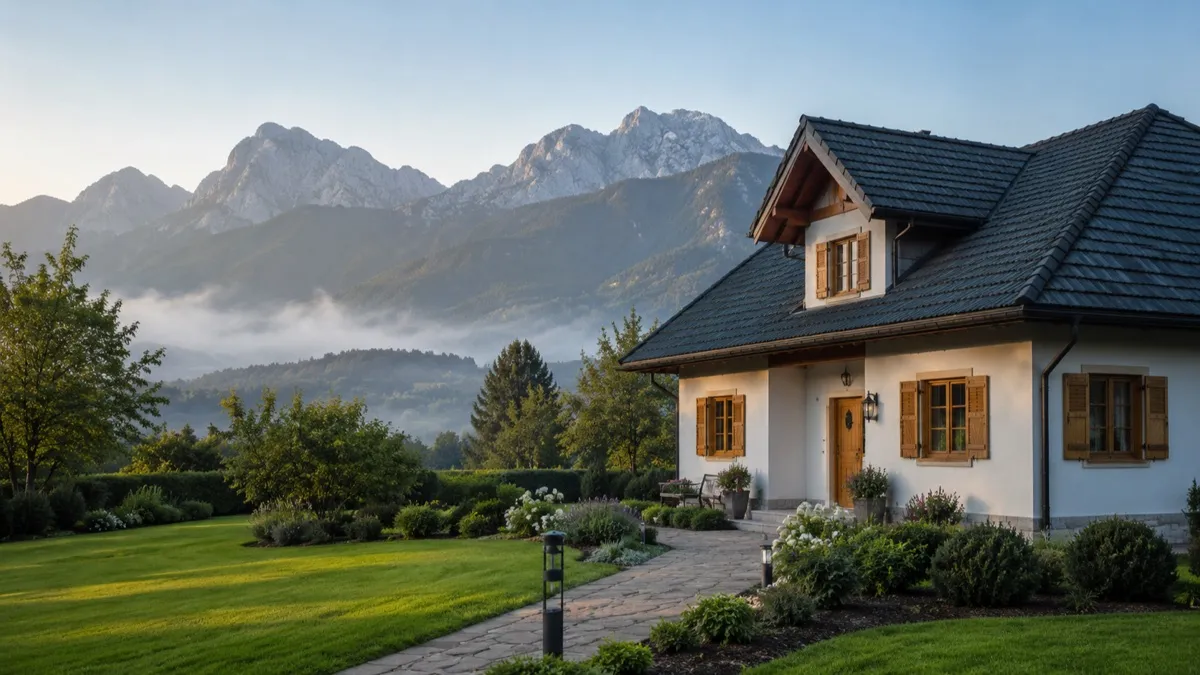
Lake Bled with its island and castle, the emerald Bohinj valley ringed by the Julian Alps — this is postcard Slovenia, and property here is sought after for exactly that beauty. But a mountain home is also a particular kind of property: the Alpine environment dictates its own rules of upkeep, rules that exist neither in Ljubljana nor on the Coast.
This article is an overview of the Alpine region through an owner’s eyes: how Bled and Bohinj differ, what’s particular about a mountain home, and how the climate and the double seasonality affect upkeep.
This piece draws on Slovenian seasonal practice, meteorological data from ARSO and the DomCare team’s years of experience maintaining homes in the Bled and Bohinj area.
The Bled and Bohinj region is the foothills and valleys of the Julian Alps. Property ownership here has its own character: houses (often with plots) predominate over apartments; properties frequently stand more separately than urban homes; and most importantly — this is a real Alpine winter.
For an owner this means that an Alpine home is the most “demanding” type of property in Slovenia in terms of seasonal load. That’s not a flaw — it’s a feature you need to build into your upkeep plan. The region’s beauty and its demands come as a package.
Bled. A famous destination — the lake, the island with its church, the castle on the cliff. Developed tourist infrastructure, a high and year-round flow of visitors, a prestigious location. Property here is sought after both for holidays and for renting.
Bohinj. The neighbouring valley with Slovenia’s largest lake — wilder, quieter, more natural, part of Triglav National Park. Less tourist bustle, more seclusion and nature. Often the choice of those who want Alpine calm rather than resort liveliness.
The difference is in character: Bled is a busy, prestigious destination; Bohinj is quiet nature. In terms of upkeep they’re close — it’s one Alpine climate.
It’s a house, not an apartment. Most properties here are houses with plots. That means the roof, the façade, the plot, sometimes several outbuildings are in your area of responsibility — more systems and more points of attention than an apartment.
Snow load. Alpine snow is heavy and abundant. The region’s roofs are usually built for snow, but the condition of the roof, the gutters and the snow-shedding zones needs monitoring.
Separation. A house may stand on its own, and access to it in winter depends on the state of the access road. A driveway buried in snow is a real problem.
The plot. An Alpine plot with trees needs care in summer and attention in winter (snow shedding, branches brought down by storms).
The Alpine winter is the defining factor. It arrives earlier (the first real frosts are possible as early as the second half of October), it’s colder, and there’s significantly more snow than in the rest of Slovenia.
The main climate risks: pipes freezing when heating is insufficient, snow load and snow shedding, ice, heating failure in frost, humidity from temperature swings. Winter risks and what to do about them are covered in detail in a separate article on a home in Bled in winter.
The key takeaway: an Alpine home can’t be “locked up until spring.” In winter it needs monitoring throughout the cold season, not a one-off round of preparation.
Unlike the Coast with its single summer peak, the Alpine region has two seasons:
The summer season — hiking, lakes, cycling, nature. Active tourism, warm weather, the peak of use and rentals.
The winter season — skiing and winter recreation. A second peak of activity and demand.
The shoulder seasons — April-May and October-November — are relatively quiet.
For an owner, double seasonality means the home is actively used or rented in two peaks, while the upkeep itself runs year-round — with the heaviest load in winter.
Bled and Bohinj are sought-after destinations for short-term rental thanks to the two seasons: there’s demand both in summer and in winter. That makes an Alpine rental less of a “dead” prospect in the shoulder season than a purely summer Coast. But the operational side of renting is more complex here because of the winter: cleaning, access and response to problems all have to work in the snowy season too. The operational side is short-term rental support.
An Alpine home is a good choice if you: want a home among mountains and lakes for holidays; value nature and are ready for a property that’s more demanding to maintain; are considering a rental with two seasons; come to ski in winter or hike in the mountains in summer. Bled suits those for whom infrastructure and prestige matter; Bohinj suits those looking for quiet and seclusion.
The main thing is to accept it in advance: an Alpine home is beautiful, but it needs year-round monitoring, especially in winter. With that understanding, owning in the mountains will be a calm experience.
The Bled and Bohinj region is one of our four service areas. Property care here is carried out with an allowance for Alpine specifics: year-round visits with intensified winter monitoring, heating, snow load, access, response to system failures. Garden and outdoor care — for plots. Short-term rental support — for rented properties, with the two seasons taken into account. The winter specifics are covered in detail in the article on a home in Bled in winter. The first inspection of a property is free.
The easiest way to discuss it: write to us through the form or on WhatsApp.
How does Bled differ from Bohinj for a property owner? In character: Bled is a busy, prestigious destination with developed infrastructure; Bohinj is quiet nature in a national park. In terms of upkeep they’re close — it’s one Alpine climate.
Is a mountain home harder to maintain than properties in other regions of Slovenia? Yes — an Alpine home is the most demanding type of property in terms of seasonal load: a real winter with snow and frost, and a house with a plot and a roof in your area of responsibility. This needs to be built into your upkeep plan.
Can you lock up an Alpine home for the winter? No. In winter a mountain home needs monitoring throughout the cold season: heating control, inspections after snowfalls, response to system failures. More on this in the article on a home in Bled in winter.
Is it good to rent out property in Bled or Bohinj? Yes — the region has two tourist seasons, summer and winter, so a rental is less of a “dead” prospect in the shoulder season than a purely summer Coast. But the operational side is more complex because of the winter.
What’s the most important thing in maintaining an Alpine home? Winter monitoring: heating control (protection against frozen pipes), snow load on the roof, keeping access to the house clear. The Alpine winter is the defining factor.
Bled and Bohinj are postcard Alpine Slovenia, and owning a home here is a pleasure that comes packaged with responsibility. The Alpine climate, a house with a plot, two seasons and a demanding winter make such a property the most attentive to maintain. But with year-round care, a mountain home stays what it was bought for — a place of beauty and calm.
Have a home in the Bled or Bohinj area — write to us.
Why DomCare works in four areas of Slovenia — Ljubljana, the Coast, Bled and Bohinj, and Kranj — and why limiting our geography works in the client's favour.
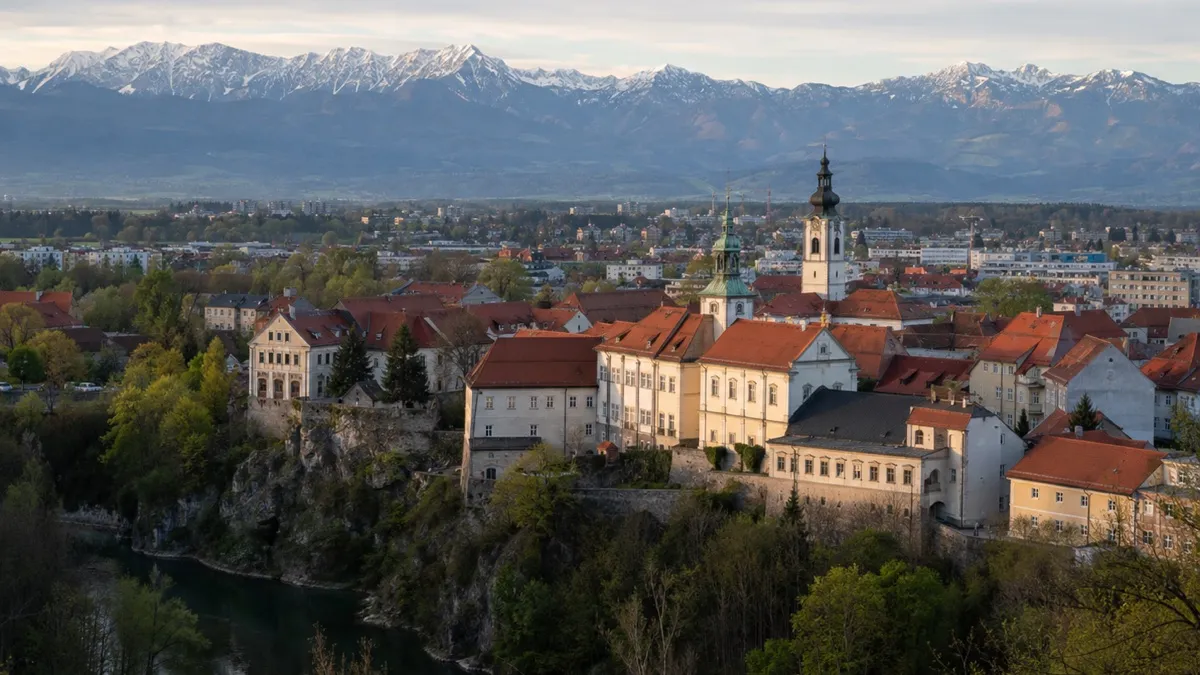
An overview of Kranj and the Gorenjska region for a property owner: how the region differs from Ljubljana and Bled, and the specifics of owning and maintaining a property here.
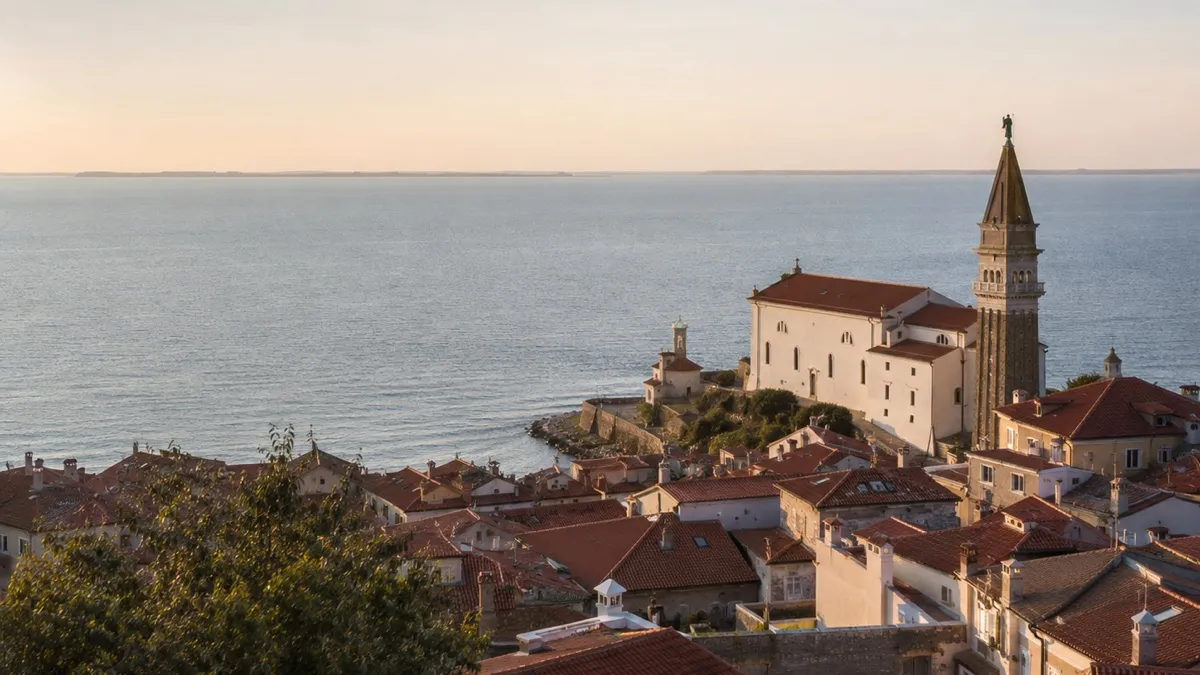
A guide to the Slovenian Coast for property owners: how Piran, Portorož, Izola, and Koper differ, what owning here involves, and how the coastal climate affects upkeep.
Tell us about your situation — we'll agree on the format and a fixed price. The first assessment visit is free.